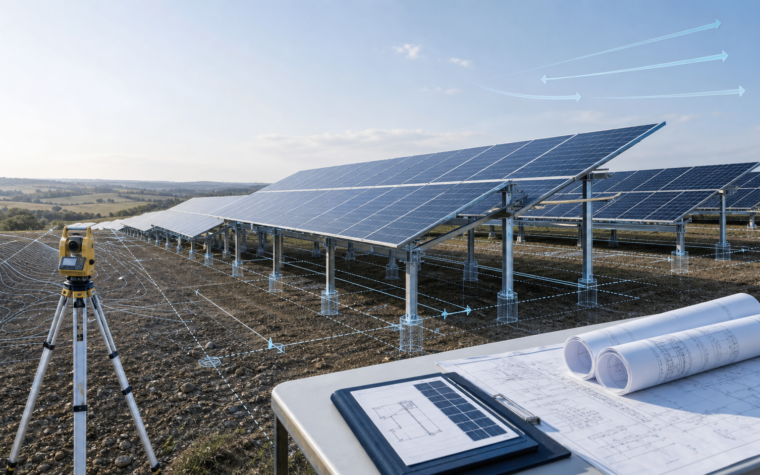
Fixed Tilt Angle for Solar Panels: How to Choose a Project Baseline
The optimal fixed tilt angle for solar panels is not one universal number. Latitude tilt is a useful first energy-model candidate, but the project…


Technical articles on fixed, tracking and flexible PV mounting, including wind inputs, stow strategy, structural decisions, fabrication records and project verification.
The optimal fixed tilt angle for solar panels is not one universal number. Latitude tilt is a useful first energy-model candidate, but the project…
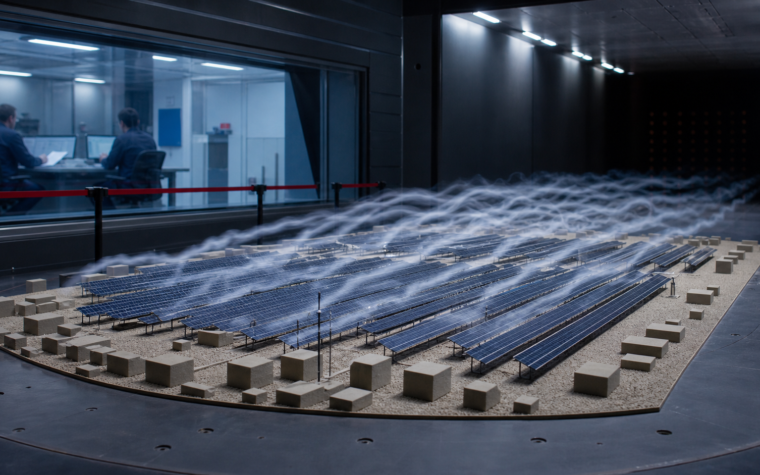
A practical decision guide for unusual geometry, trackers, flexible systems, complex terrain, array interaction and approval-driven wind studies.
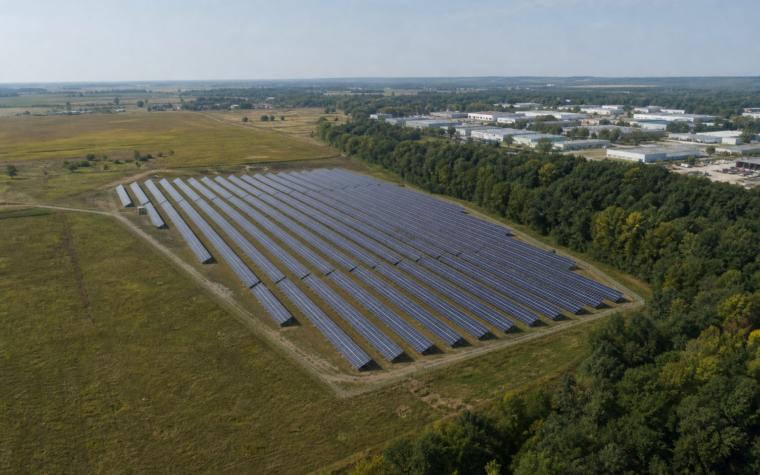
A practical method for recording directional surface roughness, resolving transitions and releasing a terrain evidence pack without turning a map label into a design value.
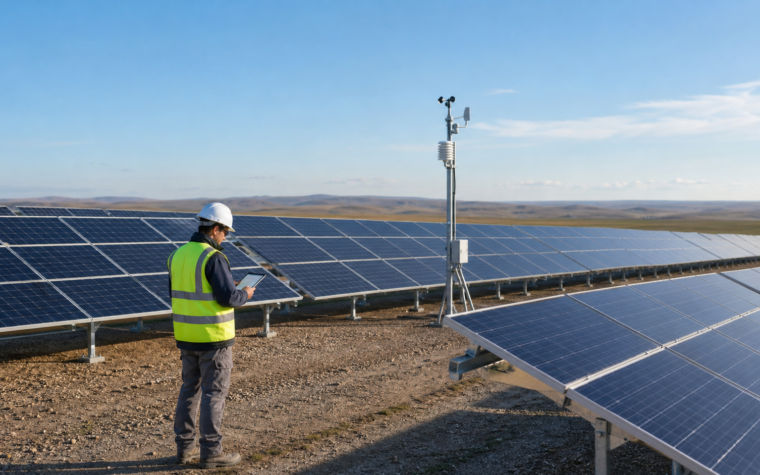
Basic Wind Speed Conversions for Solar Projects: Avoiding Input Errors
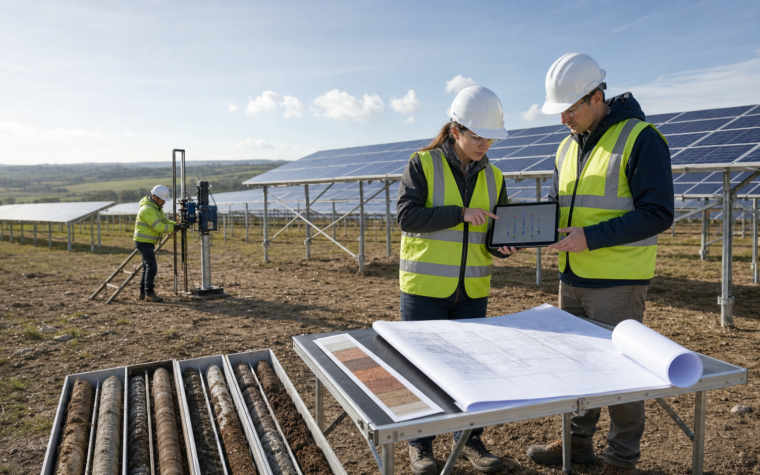
Combining Geotechnical and Structural Inputs for Solar Mounting
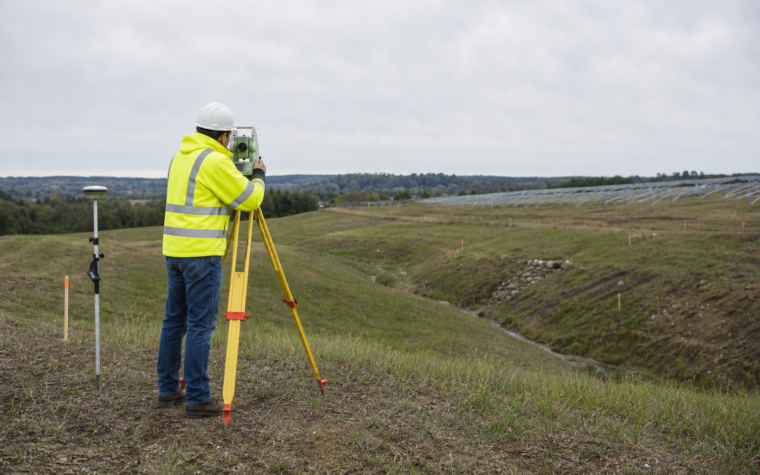
Topographic Survey Requirements for Ground-Mount Solar Structures
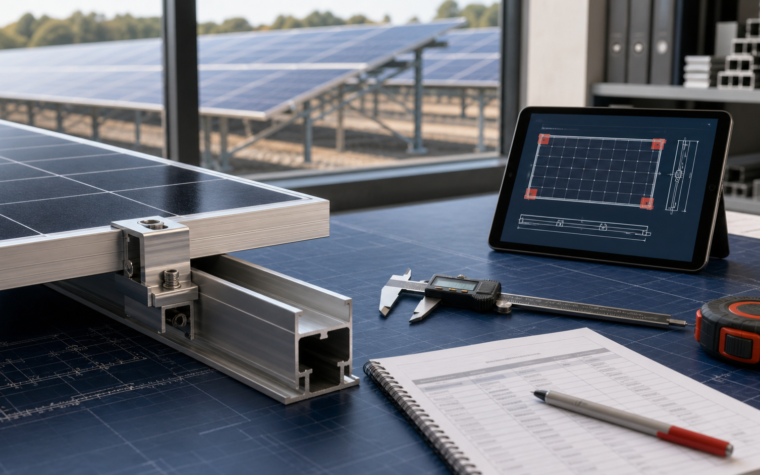
A practical guide to converting a PV module datasheet, installation manual and interface drawing into released inputs for solar mounting engineering.
Use a five-gate checklist to control module, site, load, ground, durability, interface and release inputs before quoting or designing a solar mounting system.
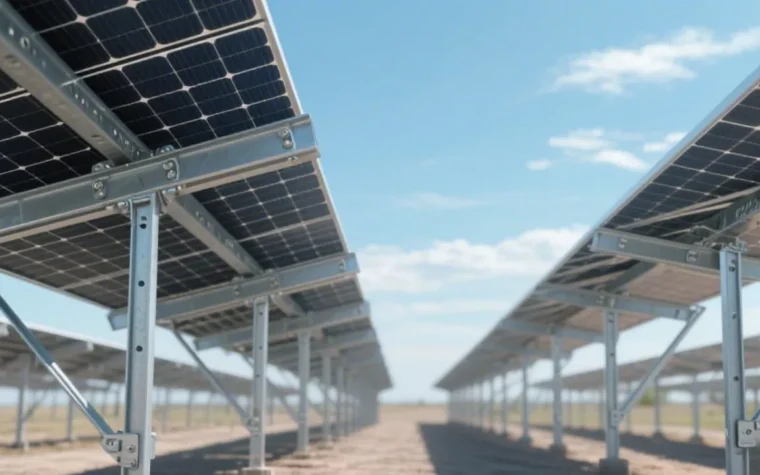
Coordinate site wind, structural states, trigger logic, sensors, communications, backup power, commissioning and event records for tracker stow.
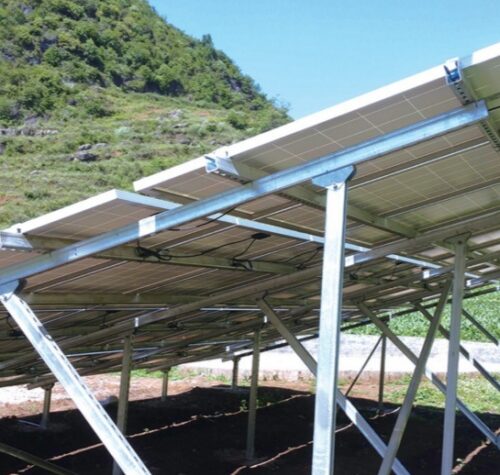
Compare fixed-tilt and tracker PV using one resource, buildable layouts, transparent losses, hourly power shape, matched cost scope and sensitivity.
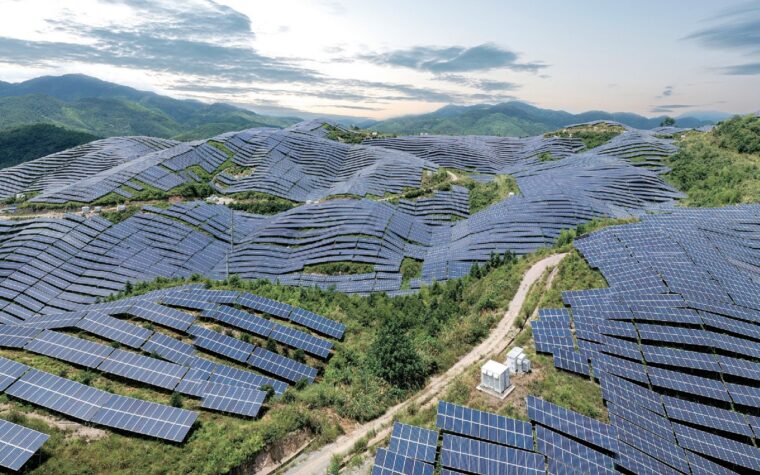
Verify flexible PV by coordinating span geometry, pretension, wind dynamics, cable and clamp behaviour, support stiffness, testing and installation.