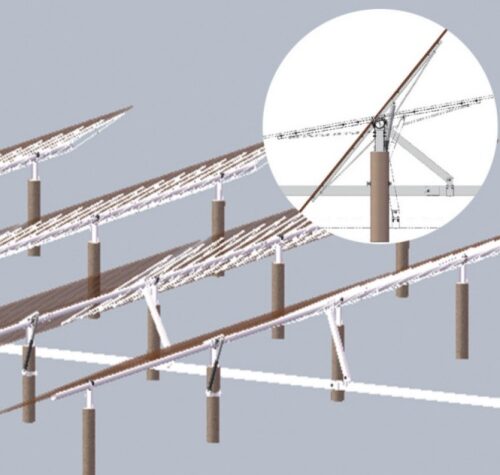
Solar Tracker Torque Tube: Freeze the Row Load Path
A solar tracker torque tube should be specified as the longitudinal load path of a defined row, not selected from diameter, wall thickness and steel grade in…


Technical articles on fixed, tracking and flexible PV mounting, including wind inputs, stow strategy, structural decisions, fabrication records and project verification.
A solar tracker torque tube should be specified as the longitudinal load path of a defined row, not selected from diameter, wall thickness and steel grade in…

Flexible solar mounting installation should be released by measured structural state, not by the fact that a crew has finished a task. For cable- or…
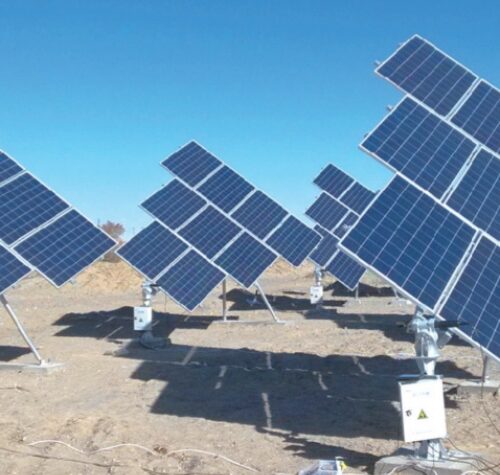
A solar tracker actuator should be specified as part of an installed motion chain, not selected from push force and stroke alone. Start with the required tracker…

A fixed-tilt mounting bill of materials can contain the right number of rows and still be incomplete. A clamp may not match the selected module. A beam may…

A solar mounting wind load cannot be approved from one wind speed, pressure or model screenshot. A releaseable package must show how the adopted site hazard…

A solar mounting system cost is useful only when the number and its basis travel together. A total, cost per watt, cost per module, cost per square metre or cost…
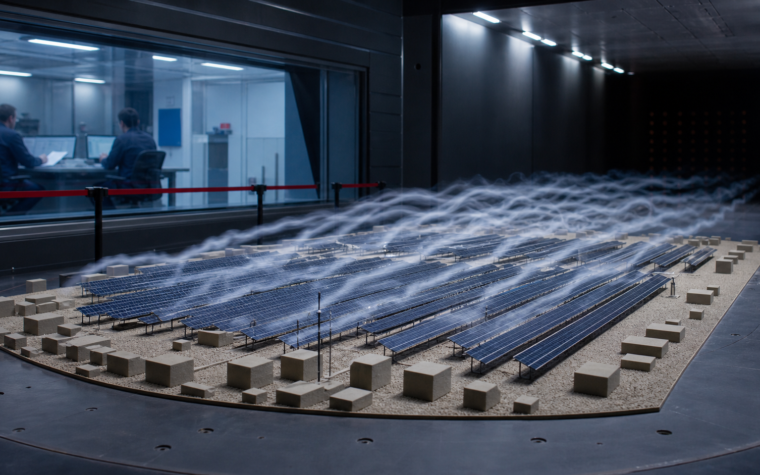
A solar tracker slew drive should not be selected from output torque alone. The candidate must fit the row s load paths, mounting stiffness, motion…

The biggest solar tracker installation mistake is treating a moving system as a list of parts to assemble. A pile can be individually acceptable while…
The optimal fixed tilt angle for solar panels is not one universal number. Latitude tilt is a useful first energy-model candidate, but the project…
A practical decision guide for unusual geometry, trackers, flexible systems, complex terrain, array interaction and approval-driven wind studies.
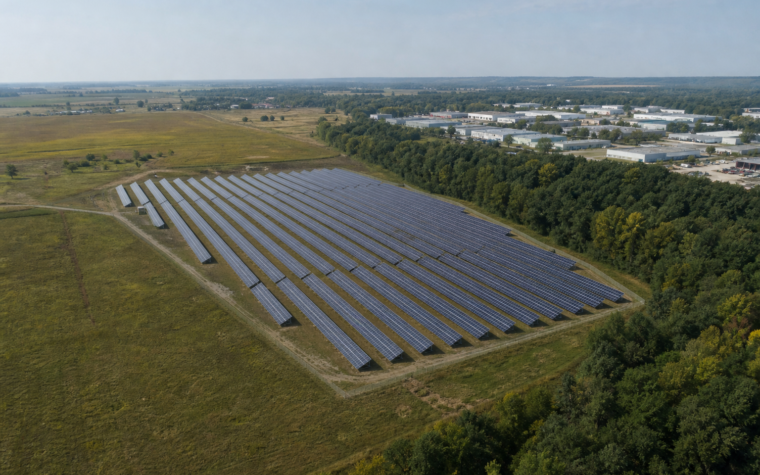
A practical method for recording directional surface roughness, resolving transitions and releasing a terrain evidence pack without turning a map label into a design value.
Basic Wind Speed Conversions for Solar Projects: Avoiding Input Errors