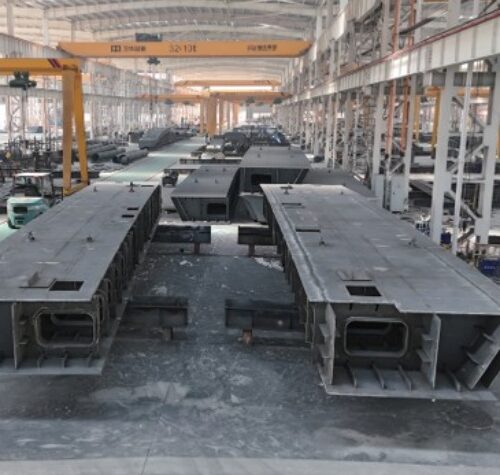
Free-Issue Material in Steel Fabrication: Who Owns Which Risk?
A buyer-and-fabricator method for separating ownership, custody, risk, acceptance, quantity, schedule and closeout responsibilities for free-issued steel.


Reviewed engineering guides for solar mounting, ground screw foundations, structural steel, manufacturing quality and project delivery.
A buyer-and-fabricator method for separating ownership, custody, risk, acceptance, quantity, schedule and closeout responsibilities for free-issued steel.
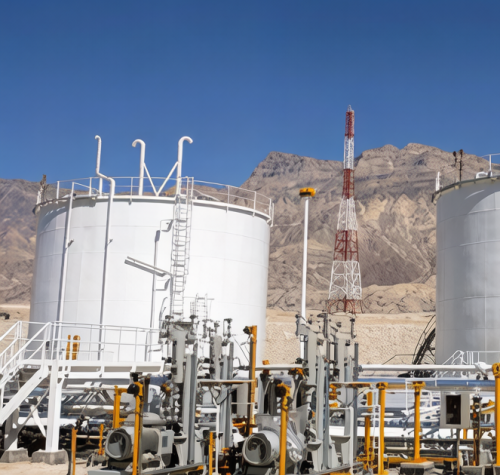
A project-side method for deciding whether records, surveys, inspection, structural review and plant-change authority adequately define a brownfield steel interface.
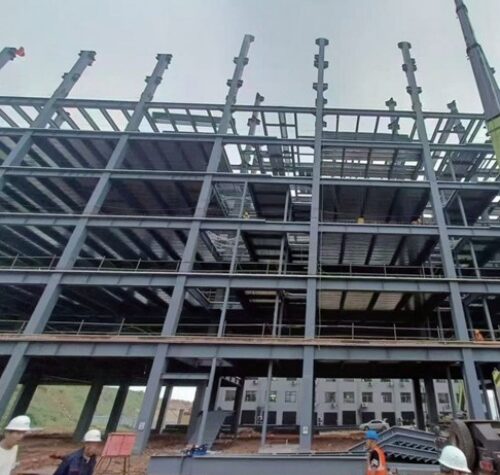
A project-side diagnostic for tracing structural, interface, information, fabrication, site and contract effects before acting on a custom steel structure change.

A project-side method for reviewing solar mounting calculation scope, code basis, model identity, check coverage, interfaces and release evidence.
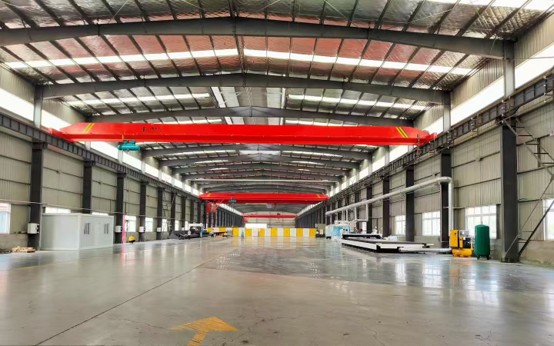
A buyer-side factory audit method for testing supplier claims through risk-based samples, corroborated evidence, findings and bounded approval decisions.
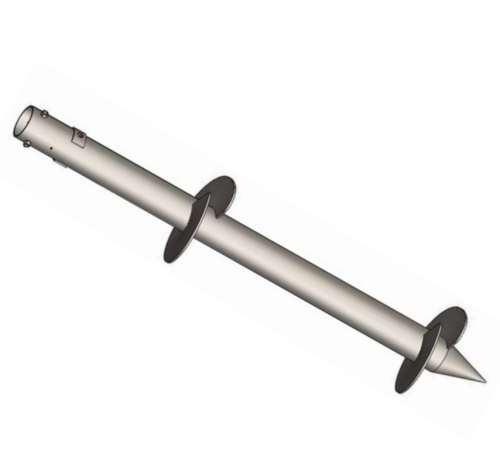
A project-side method for defining new-construction and existing-foundation interfaces, load paths, stage gates and release evidence for helical foundations.
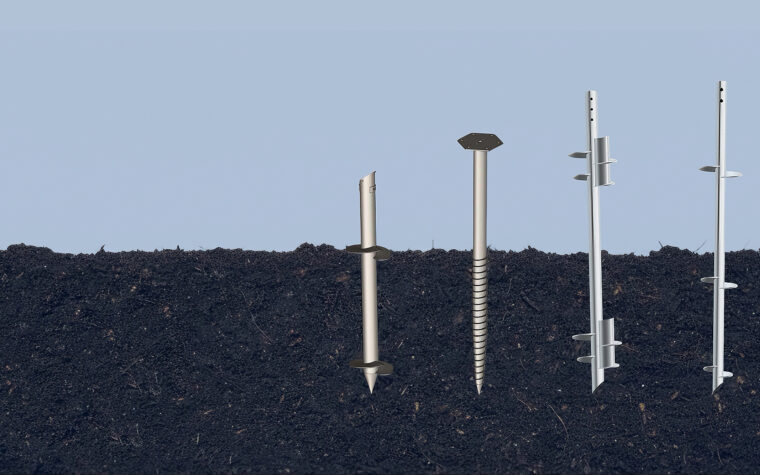
A claim-by-claim method for checking whether a helical pile evaluation report matches the offered product, project demand, site and installation route.

A zone-based method for choosing how a fixed-tilt ground-mount solar project will respond to slopes, grade breaks, drainage and access constraints.

A survey-to-mock-up workflow for deciding whether a tile roof can proceed to mounting design, needs targeted opening-up or must be repaired first.

A roof-interface method for comparing ballasted, attached and hybrid flat-roof solar mounting options without hiding building, membrane or access constraints.
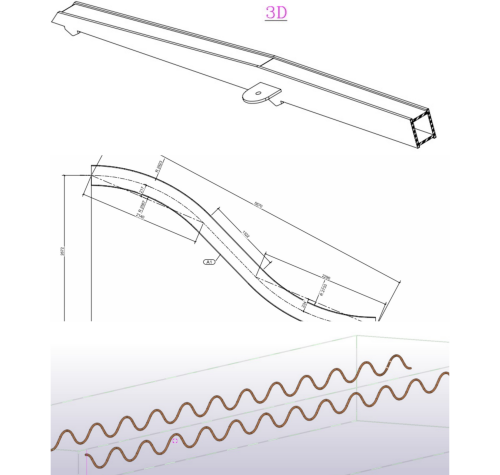
A practical method for turning custom steel fabrication drawings, fit requirements, process assumptions and acceptance needs into a comparable RFQ.

A system-boundary method for comparing structural steel building proposals without losing secondary, envelope, foundation or temporary-work interfaces.