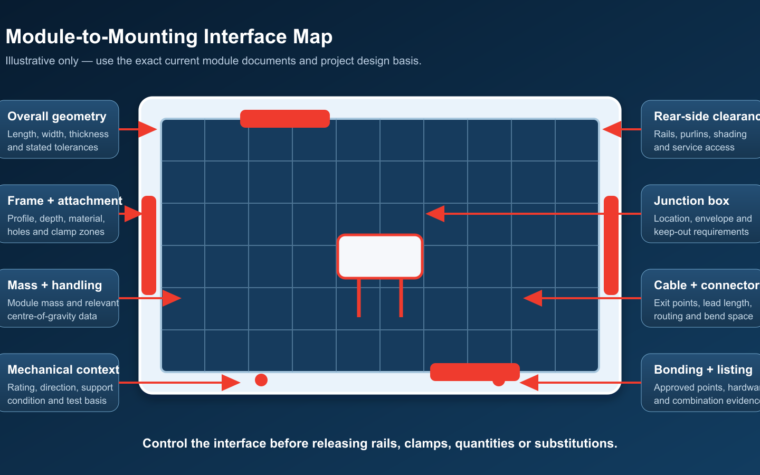
Solar Racking System Repowering: Reuse, Adapt or Replace?
A zone-based method for deciding whether an installed solar racking system should be retained, repaired, adapted, replaced or held during PV repowering.


Reviewed engineering guides for solar mounting, ground screw foundations, structural steel, manufacturing quality and project delivery.
A zone-based method for deciding whether an installed solar racking system should be retained, repaired, adapted, replaced or held during PV repowering.
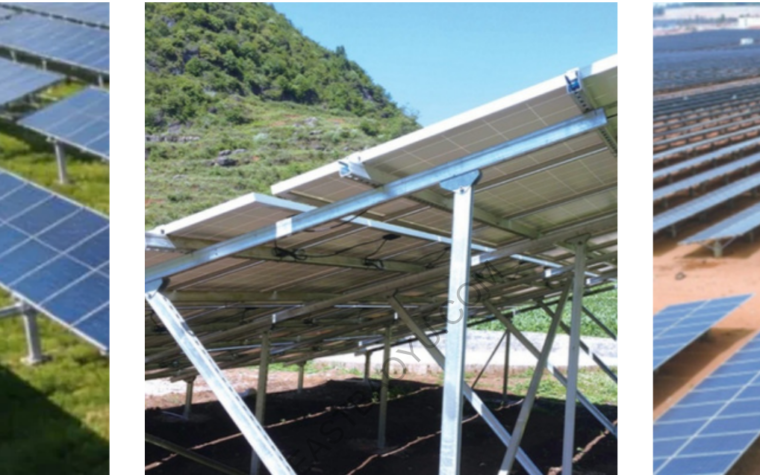
A post-approval method for reconciling one solar mounting configuration across engineering release, production kits, substitutions and zone-level packing.
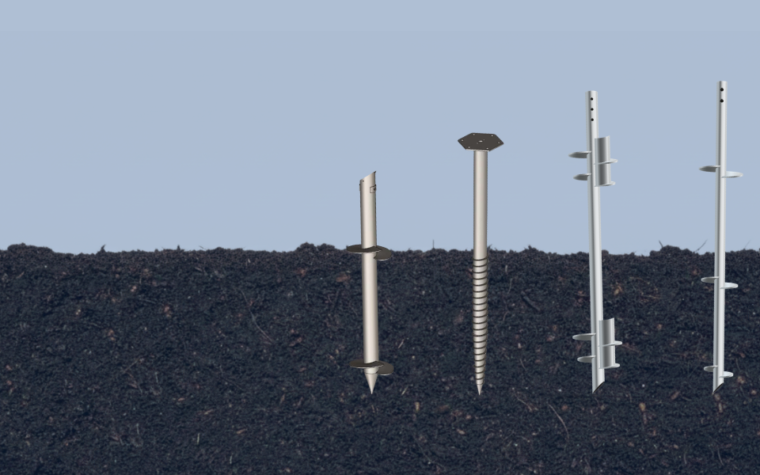
A procurement workflow for identifying an offered ground screw stock lot, matching it to project interfaces and issuing a bounded release decision.

A post-approval workflow for mapping screw pile manufacturer changes to affected evidence, containing production and issuing a bounded release decision.

A zone-based method for preserving concealed installation evidence, reconciling as-built identity and controlling mechanical handover before commissioning.
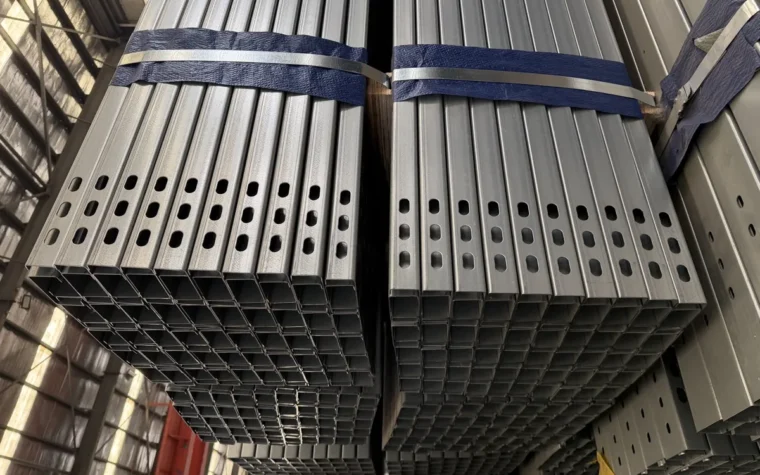
A practical method for reconciling seller, factory, inspection, shipping and warranty identities across an international structural-steel order.
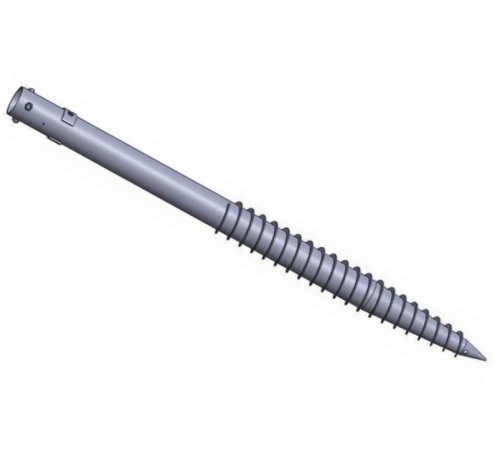
A safety-led decision route for judging whether solar ground screws can have an electrical earth function without confusing foundations, bonding or lightning protection.
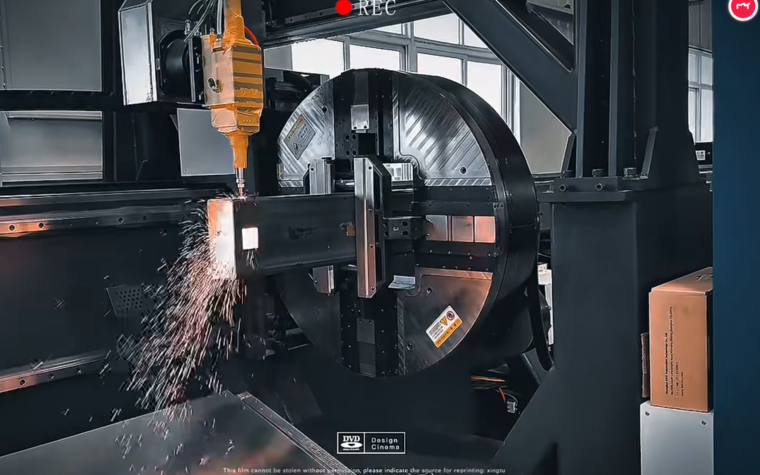
A practical decision route for dividing one structural steel project across multiple fabricators without dividing scope, interface or release accountability.
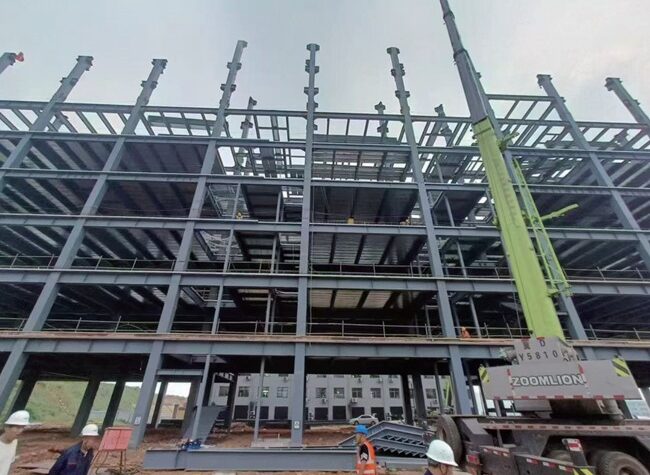
A practical method for preserving a future steel-building expansion route without treating an uncertain second phase as already designed or approved.
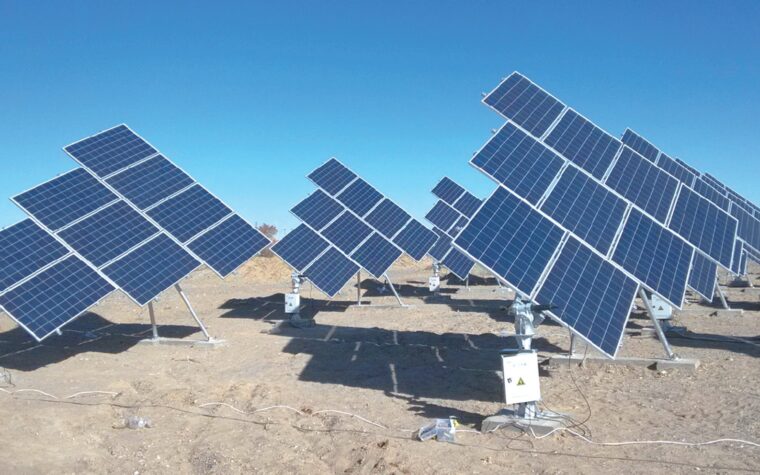
A practical change-control method for deciding whether a solar project can move from a fixed-tilt baseline to tracker architecture without hiding redesign.

A practical requalification chain for deciding whether an extracted screw pile can enter the same site, another project, a restricted use or recycling route.
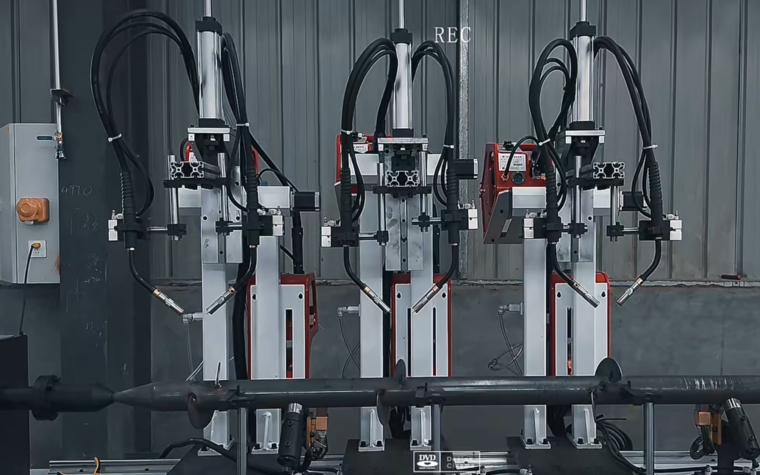
A practical method for choosing full, staged, partial or measured virtual assembly from interface risk, field consequences and evidence capability.